Pixar vs the dermatologist: which skincare video format wins, and why
Two videos, same week, same audience, same question. One got 283 times more reposts. We watched both with real viewers and tracked their eyes.
Why I tested this
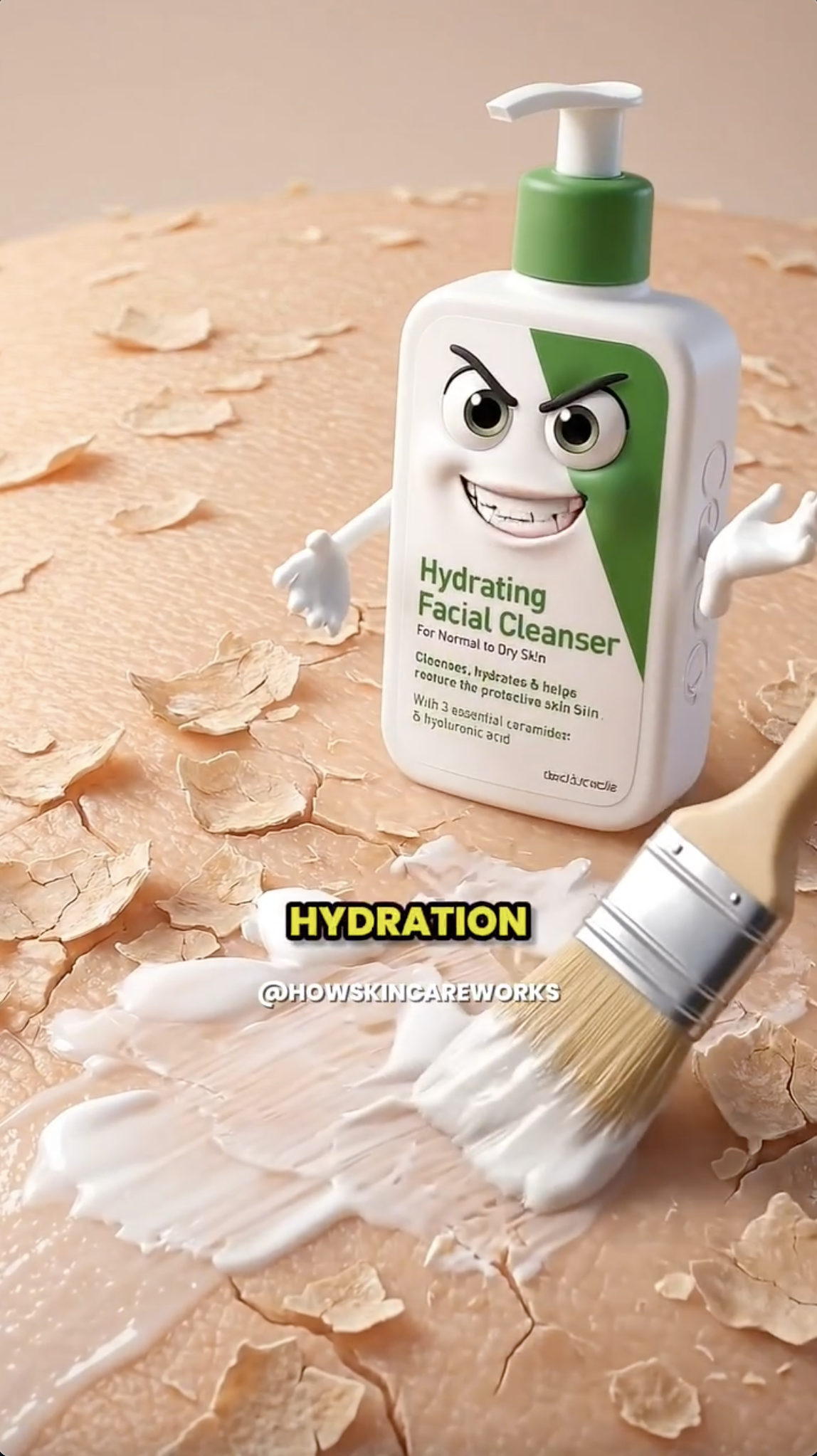
Scrolling Instagram a while back, I bumped into a Pixar-style skincare video. Animated 3D bottles with little personalities, walking you through which product fits which skin type. It was charming. And it had millions of views.
Surely this cannot beat a real dermatologist explaining the same thing. Skincare is a trust category. A diploma on screen, a calm clinical voice, hands that look like they belong to a person who has actually treated acne. Those are the signals viewers have learned to weight. Animation feels lighter. Easier to dismiss.
So I went looking for an expert video on the same topic to test the assumption. Found one with comparable production, comparable length, similar publishing window. Same job-to-be-done: pick the right skincare products. I ran both through Jeena and watched what the eye-tracking data actually said.
The setup
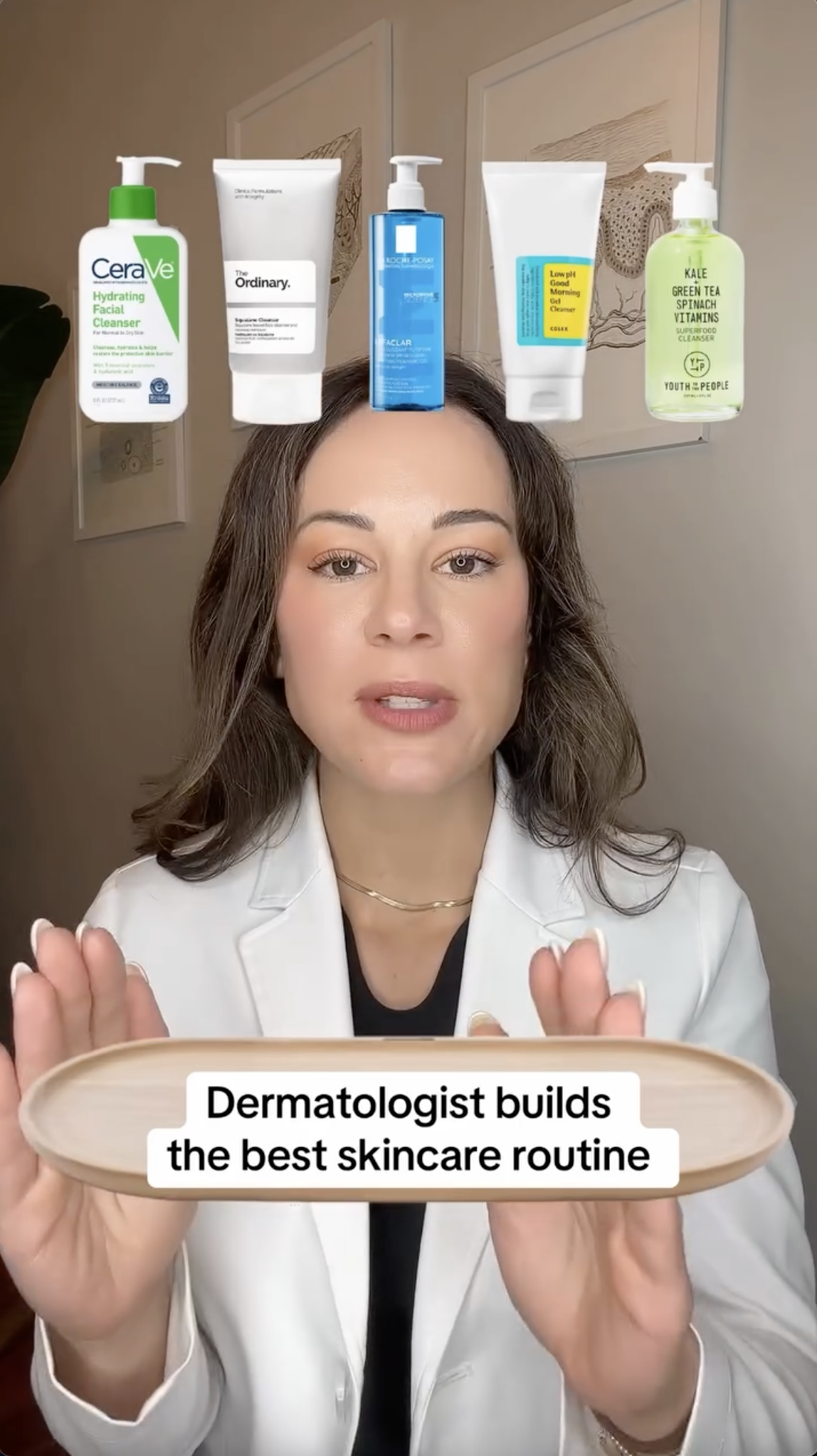
Both videos answered the same question that any thirty-second skincare clip is trying to answer: which products should I actually buy? The dermatologist video walked through a credible product lineup with clean overlays. The animated video opened on a Pixar-style 3D bottle character and let the products talk through their own quirks.
Jeena captures where viewers' eyes go on the screen, when they blink, when they raise their eyebrows in surprise, and how they describe the video in a short impressions survey afterward. Then it lines that frame-by-frame attention map up against what the videos actually did in the wild on social.
What Jeena saw
The dermatologist
Authority hook, product lineup, polished delivery
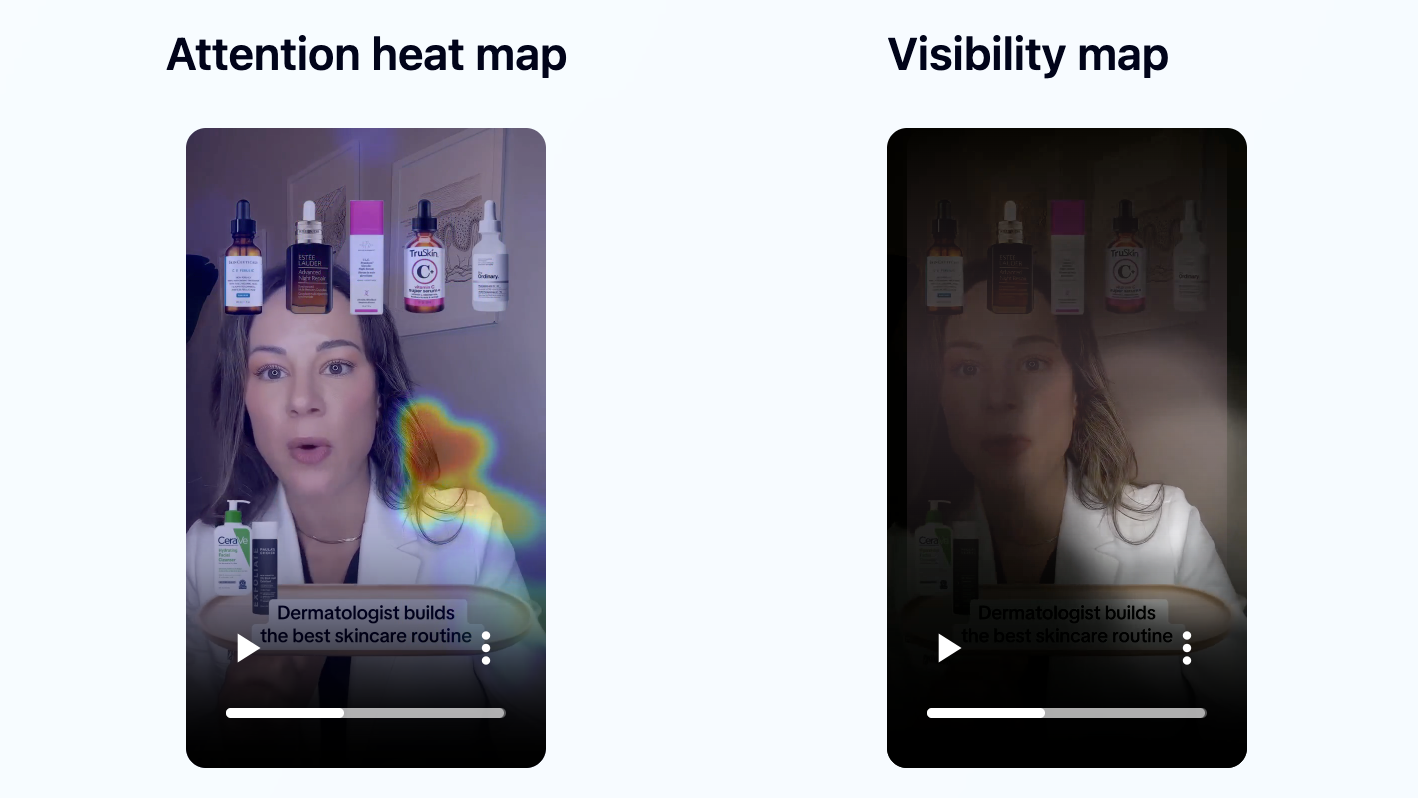
- •Immediate credibility in the first seconds: lab coat, expert framing.
- •Clean readable product overlays right at the top.
- •Straight explainer structure: product, swap, product, swap.
- •Survey tone skewed positive. People found it "interesting" and "catchy."
- •Attention drifted during the longer static product blocks in the middle.
The Pixar bottle
Character curiosity hook, animated product narrative
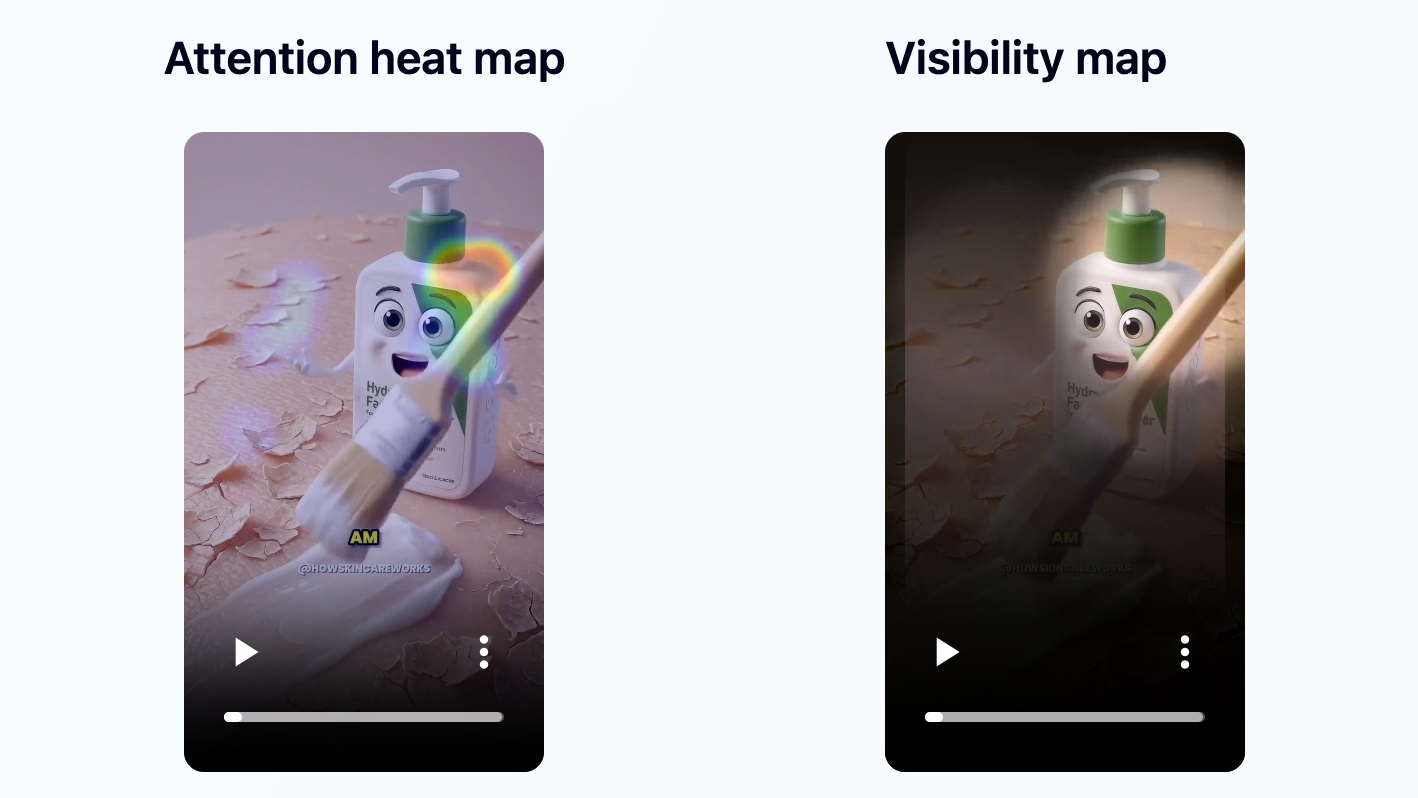
- •Visual hook landing in the first two seconds: 3D bottle character on screen.
- •Playful character-led product fit framing throughout.
- •Multiple wow moments registered in the eyebrow-raise signal.
- •High production polish keeps the energy up.
- •Mid-sequence attention dipped on certain scene pairings where the product wasn't the focal element.
Same quality. Different shapes.
Neither video was technically broken. The opening hook on the Pixar version pulled attention faster. The dermatologist version held a more credible voice across the explainer. Both are real production work.
And yet what happened next on social was very different.
What happened in the wild
| Dermatologist | Pixar | Δ | |
|---|---|---|---|
| Views | 3.0M | 4.7M | ×1.6 |
| Likes | 22.6k | 137.0k | ×6.1 |
| Comments | 6.3k | 270 | ×0.04 |
| Shares | 8.7k | 61.1k | ×7.0 |
| Reposts | 17 | 4.8k | ×283 |
Same audience, opposite behaviors
Look at the comments and reposts rows together. The dermatologist video pulled 6,300 comments and 17 reposts. The Pixar video pulled 270 comments and 4,800 reposts. Same job-to-be-done. Same audience. Opposite engagement shape.
Experts spark dialogue. People want to argue, ask follow-up questions, debate whether tretinoin or retinol is better for sensitive skin. The expert video became a thread.
Character-driven content sparks sharing. People want to send the cute animated bottles to a friend with bad skin. The Pixar video became a forward.
You are not choosing between "better" videos. You are choosing what kind of engagement to multiply. Comments grow conversation depth (good for second-view watch time, for community-building, for the algorithm reading you as a "topic node"). Reposts grow reach (good for new-follower acquisition, for cracking into adjacent audiences). Both formats informed viewers. Each format made a different group of viewers want to do a different thing afterward.
You are not choosing between "better" videos. You are choosing what kind of engagement to multiply.
Three creative choices that drove the split
Hook style
Authority opener. Lab coat, visible product lineup, credible delivery.
Character opener. 3D animated bottle showing up in the first two seconds.
Both work. The character hook converted into broader social action: more views, more likes, dramatically more reposts.
Sustained attention during product transitions
Long product-swap blocks inside an explainer flow.
Animated product narrative with motion between beats.
Both had attention fragility in the middle, but the animated transitions held momentum longer. Jeena flagged off-screen gaze spikes on the static swaps and recommended pattern interrupts at 8s, 16s, and 24s.
Engagement type triggered after the watch
Trust-first explainer tone. Survey tags clustered on "interesting" and "catchy."
Playful, character-led framing. Survey tags clustered on "fun" and "shareable."
The expert format generated dialogue (comments). The animated format generated forwarding (reposts and shares). Opposite engagement shapes from the same audience.
Three transferable principles for product-explainer video
Micro-anchor every two to three seconds during product transitions
Long static product swaps in the middle of an explainer are where attention bleeds. Jeena saw off-screen gaze spikes during the 16 to 50 second window on both videos. Insert a small pattern interrupt at 8s, 16s, and 24s. A whip-zoom to the next bottle, a sound cue, a text-pop. Anything that re-centers the eye.
Centralize the subject in-frame. De-emphasize competing textures
In the dermatologist video, viewer gaze landed on the lab coat more than the face (35.8% vs 24.4%) during certain beats. In the Pixar video, an acne-prone skin closeup pulled around 64% of gaze while the bottle next to it only pulled around 30%. If the bottle is the thing you want the viewer to remember, make sure nothing else in frame is louder.
Mirror the opener at the end to make the video loop-friendly
Both videos lost attention at the final hold. A short visual mirror of the opening shot in the last 1.5 to 2 seconds makes the cut back to the start feel intentional. Loop-friendly endings get rewatched, and the algorithm treats a second view as a strong signal.
What this means if you make these videos
If you are a creator deciding between an expert-led format and a character-led format, the question is not "which one is better." It is "which engagement type does my next ninety days need?"
Building a niche reputation, growing a community of return viewers, trying to be the place where people debate a topic? Lean expert. Comments are where you get found by the same audience again and again. The dermatologist format does that well.
Trying to break into a new audience, get on more For You pages, get forwarded to someone who has never heard of you? Lean character. Reposts and shares are how strangers find your content. The Pixar format does that better, dramatically so.
Most creators sit somewhere in between, and most channels need both. Knowing which mode you are filming in this week, before you turn on the camera, is the lever.
Test the same thing on your own video
You can run this exact analysis on your own video. Upload it to Jeena. Real viewers watch it on their phones, with the front camera on, and share their impressions in a short survey. Jeena maps where their eyes went, when they raised their eyebrows, and which moments lost them. You get an attention heatmap, a visibility map, a wow-moments chart, a summary of how viewers perceived the video, and three concrete recommendations.
No "schedule a call." No sales rep. Upload, get your report.
Frequently asked
What is Jeena?+
Jeena is a neuromarketing platform for short-form video. Real people watch your video on their phone with the front camera on. Jeena captures their gaze direction, blink rate, eyebrow raises, and their impressions of the video in a short survey afterward. You receive an AI-powered report with an attention heatmap, a visibility map, a wow-moments chart, a summary of how viewers perceived the video, and three specific recommendations for making the video work harder.
How does Jeena measure viewer attention?+
Jeena uses smartphone front-camera gaze tracking. Each engager calibrates once, then watches your video. The platform records where their gaze lands frame by frame, flags moments of surprise from facial expression, and combines that with a short impressions survey afterward. The result is a per-second timeline of what real viewers actually looked at and felt, plus a summary of how they perceived the video overall.
Can I test my own video on Jeena?+
Yes. Sign up, upload your video, set a goal (Sales, Views, Pitch, Followers, and so on), and Jeena runs the test with its panel of engagers. The report typically arrives within a day, with an attention heatmap, a visibility map, a wow-moments chart, and three concrete creative recommendations.
How is Jeena different from regular video analytics?+
Social platforms tell you what happened after the video was published: views, likes, watch-time. Jeena tells you what is happening inside the video before you publish it: which frame lost their attention, which product moment pulled gaze away from the intended subject, what they actually felt at second twelve. You can fix the second-twelve problem before two million people see it.
Does Jeena work for languages other than English?+
Yes. The viewer panel and the analysis run independently of language. The recommendations text is currently English, with localization on the roadmap.
How much does it cost?+
A typical test costs around ten euros. See the pricing page for current rates.